Mike Brown · July 21, 2026 · 8 min read
Mobility Over Comfort: Why Airbnb Is the Smartest Housing Move for S&C Interns and Professionals
Coaches need to relocate to get their career started so use this tool to save money.
Introduction
The reality of the strength and conditioning field is simple: opportunities are not always local. Internships, graduate assistant roles, seasonal contracts, and even full-time positions are scattered throughout the United States, and sometimes internationally. If you want to build a career in this field, mobility matters.
Your willingness to relocate, whether it's across the state, across the country, or even overseas, directly impacts the quality of positions available to you and your development as a professional. Limiting yourself to one city or region means limiting the doors that open for you. If you're not willing to move, or if you're not willing to find creative solutions for housing, you cap your own advancement before it even starts.
This is where Airbnb and Vrbo come in; these platforms solve the "where do I live" problem and make relocation feasible, whether you're an intern working a short-term stipend or a professional testing out a new role before committing to a longer-term move. Instead of letting housing be the barrier that holds you back, you can use these tools to make short-term relocation affordable, comfortable, and low-risk, giving you the freedom to chase the best opportunities, wherever they are.

The Mobility Mindset
Early career flexibility matters immensely in strength and conditioning, and I learned this firsthand through my own journey. I was fortunate to start out relatively locally, since I'm from Central New Jersey and still lived in that general area at the time. As an undergraduate student at Temple University, I initially thought I was going to start my journey in strength and conditioning in the Philadelphia area. However, I realized that Reach Your Potential Training (RYPT) was ultimately the best possible opportunity for me, based on the systems in place and the opportunities I'd have, not only to learn a solid foundation of strength and conditioning, but also to coach at different points throughout the internship and work with many different populations, both of which were invaluable for my own development as a professional.
When I started at Temple University, I signed an apartment lease for roughly six months, running from January 2019 to August 2019. That summer, I was living back home in Central New Jersey and traveling about an hour each way to RYPT in Tinton Falls, New Jersey, every single day, all in an effort to get better at my craft. This is where my housing planning became a real challenge.
That summer was difficult in ways I didn't anticipate. Because my lease ran through August, I struggled to find someone to sublet my apartment in Philadelphia for the months I wasn't living there. Since I didn't need the apartment during the summer, it sat mostly vacant, an avoidable cost that came from not thinking through my temporary housing strategy ahead of time. Looking back, this is precisely why it's so important to think about your long-term vision early and build in flexibility around your schooling, your systems, and your living situation, rather than locking yourself into arrangements that don't leave room for the opportunities that pop up along the way.
That experience taught me something valuable: the mobility mindset requires looking honestly at your short-term and long-term vision, and identifying where the best opportunities for your development actually lie. For me, early on, that meant being willing to travel an hour each way to RYPT, even though it wasn't the most convenient option. The field of strength and conditioning is competitive, and opportunities are often scarce locally. Sooner or later, you have to accept that you may need to go wherever the best opportunity is, not just wherever is comfortable or nearby.
This principle doesn't only apply to interns. It applies just as much to graduate assistants, seasonal staff pursuing temporary contracts, and early career professionals trying to navigate the same temporary relocation challenge. The trade-off is simple: short-term sacrifice, including temporary or unfamiliar housing, can significantly expedite your long-term career goals if you're willing to be mobile early on. This is where your long-term versus short-term vision comes into play; knowing your end goal helps justify the discomfort that often comes with relocating.
Why Airbnb Works Well for Short-Term Housing Needs
After my internship with Reach Your Potential Training, I spent the rest of my undergraduate experience in the Philadelphia area, having learned a hard lesson about making sure my apartment subleasing was more aligned and properly planned out. I spent roughly four months with Temple University's Olympic strength and conditioning sports staff, followed by another three months with Temple's football staff. However, COVID-19 cut the football internship short, ending it much earlier than expected. Once again, I found myself in a situation outside of my control, unable to find someone to sublease my apartment, and I had to move back home during the height of the pandemic. It was a genuinely tough time.
By the fall of 2020, there was still ongoing uncertainty about whether classes would be held in person or virtually. Given that COVID-19 remained a significant threat, I decided not to sign another apartment lease and instead completed all of my coursework virtually from home, since every course that semester had shifted online. Strength and conditioning internships were even more competitive than usual, and opportunities were scarce throughout the country.
Then, in January 2021, even in the thick of the pandemic, I accepted an opportunity at MSU Denver. This is where Airbnb became an incredibly valuable tool. I used it to find affordable, temporary housing in Denver, Colorado, and also landed a part-time role as a personal trainer at Anytime Fitness in Denver during that same time.
Airbnb was such a good tool for me for a very specific reason: I didn't want to deal with buying new furniture or renting a moving truck, since I didn't have the resources or logistics for that at the time. I wanted something fully furnished, similar to what I'd had during my undergraduate apartment experiences, so I wouldn't need to worry about moving large items. This was especially important since my car, a Toyota Corolla, was already packed with suitcases full of my clothes, kitchen items, and other miscellaneous technology and personal belongings, which meant moving furniture simply wasn't realistic.
With that in mind, I made sure to filter for the features that mattered most to me: kitchen access, a free parking spot, a private bedroom, and a desk so I'd have a dedicated workspace. I also prioritized finding a location relatively close to both my internship site and my part-time role, and being specific with these filters made all the difference in finding a place that actually worked for my situation. On top of that, I made sure to choose listings with highly rated hosts, since credibility and trust mattered to me; I wanted to know that other guests had good experiences and that these were hosts I could rely on.
Finally, and perhaps most importantly, I prioritized affordability and flexibility. Airbnb consistently fit within my overall budget, and in many cases, it was far cheaper than trying to secure a temporary apartment lease or an extended hotel stay. Using Airbnb gave me the comfort and structure of a real home, while also allowing me to save significantly more money in the long run.
Knowing exactly which features to prioritize made all the difference for me, which is why understanding how to actually search and filter for these features on Airbnb is such an important next step.
How to Search/Filter for the Right Airbnb
Once you know which features matter most to you, the next step is knowing how to actually find them. Airbnb's search and filter system makes it possible to narrow down thousands of listings to only the ones that fit your specific needs, but only if you know which filters to use.
This is actually rooted in my own experience back in Philadelphia, where my apartment already had a desk and a bed built into the space, and all I ever needed to bring was my own bedding, sheets, comforter, and pillows. That experience shaped exactly what I looked for when searching for internship and short-term career opportunities afterward; I wanted that same setup, a place that already had the essentials built in, so all I needed to do was show up with my personal items, which is exactly why Airbnb became such a natural fit for me.
Here are the key filters worth prioritizing when searching for temporary housing during an internship, graduate assistantship, or seasonal contract:
- 🛏️ Bed: Make sure the listing offers a private, comfortable sleeping arrangement, not a shared or makeshift setup.
- 🍽️ Kitchen access: Full kitchen access allows you to cook your own meals, which saves significant money over time compared to eating out regularly.
- 🗑️ Washer/dryer access: Having in-unit or on-site laundry access removes the added cost and hassle of finding a laundromat during an already busy schedule.
- 🖥️ Desk or dedicated workspace: A private space with a desk is essential for coursework, film review, program planning, or any remote work you may need to complete outside of your internship hours.
- 🚘 Free parking: Reliable, free parking is especially important if you're commuting to a facility, gym, or training site daily.
- 🔒Private room or private space: Filtering specifically for a private room, rather than a shared space, ensures more comfort, privacy, and consistency during your stay.
Beyond these core filters, it's also worth paying close attention to host ratings and reviews. Choosing highly rated, credible hosts adds another layer of security and trust, especially when you're moving somewhere unfamiliar for a short period of time.
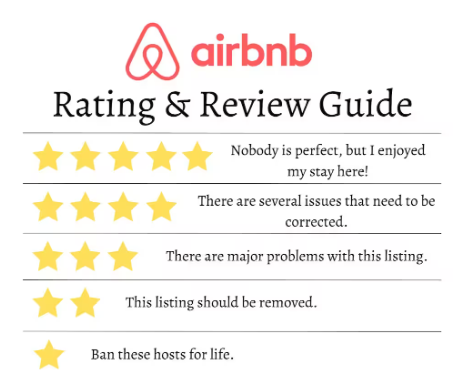
While Airbnb is often the most well-known platform, Vrbo is another strong option worth exploring. Vrbo offers similar filtering capabilities and can sometimes provide additional listings or better pricing in certain markets, so it's worth checking both platforms before making a final decision.
This is exactly the process I used when searching for my Airbnb in Denver: being specific and intentional with these same filters, rather than settling for the first available listing, made the difference between a stressful, uncomfortable stay and a home base that actually supported my success during that opportunity.
Budgeting for Temporary Housing
When it comes to weighing your stipend or salary against housing costs, the common guideline is to keep rent and housing at around one-third of your annual income. In practice, though, that standard wasn't always achievable for me, especially early in my career.
Instead, my goal was more practical: find a part-time role that would allow me to comfortably cover my housing costs, while also being able to afford groceries and other basic living expenses. In Denver, I made sure to find opportunities that would let me meet these needs, which meant combining my in-person personal training role at Anytime Fitness with online coaching clients I trained virtually. Between the two, I was able to make ends meet, covering groceries, gas, and rent throughout my time in Denver.
This mindset didn't start in Denver, though. Back in Central New Jersey and Philadelphia, I worked part-time jobs on top of my internships and coursework, and I made a conscious effort to live well below my means. This allowed me to build a savings buffer I could dip into whenever I needed it. Saving consistently, even in small amounts, is incredibly important, because it gives you a financial cushion to tap into during transitions like these.
One of the biggest advantages of Airbnb is that the longer you stay, the better rate you typically receive. Weekly and monthly rates almost always come at a discount compared to nightly pricing. For me, staying in Denver for an extended period earned me roughly a 20 percent discount, simply because I committed to a longer-term stay rather than booking night by night.
When you compare the total cost of an Airbnb versus a traditional lease, the savings become even clearer. Traditional leases often come with additional utility costs, typically anywhere from $100 to $300 extra per month, along with a security deposit that you hope to get back in full, assuming there's no damage to the property. With Airbnb, I didn't need to put down a deposit at all. I simply paid for my first month upfront. On top of that, I saved thousands of dollars by not having to purchase furniture, whether that was a bed, a desk, or kitchen essentials. All I needed to bring was my own bedding, sheets, laptop, technology, and clothing.
When you add it all up, between no deposit, no furniture costs, and discounted long-term rates, Airbnb consistently proved to be the more affordable and lower-risk option for my temporary housing needs. This financial discipline wasn't just about surviving month to month; it was about protecting my ability to chase the next opportunity without being held back by housing costs.
Practical Tips for Booking
Once you know what you're looking for, execution matters just as much as preparation. A few practical tips can make the booking process smoother and set you up for success once you arrive.
🧾 Book early, especially in competitive markets. When I signed my internship contract for MSU Denver in November 2020, I started searching for Airbnb options immediately. Competitive markets can fill up quickly, especially in cities with strong job markets or seasonal demand, so getting ahead of the search gave me more options to choose from and more time to find the best possible fit for my needs and budget.
📲 Communicate directly with the host before booking. The Airbnb app allows you to message hosts directly, and I made a point of using that feature early on. I asked for clarification on any contract details or house rules I wasn't sure about, but I also made sure to be transparent about my situation. Since I was planning a long-term stay, I let hosts know upfront about my schedule, including early mornings and unusual hours that come with the territory in strength and conditioning. Given the circumstances at the time, I also discussed COVID-19 protocols directly with my host, since the pandemic was still a serious concern and a vaccine wasn't yet available. I was upfront that my role at MSU Denver required wearing not just one mask, but two, and I wanted to make sure we were on the same page. That kind of transparency goes a long way in building trust and authenticity, both for yourself and for the person hosting you.
✍️ Read reviews carefully, specifically around cleanliness, accuracy of listed amenities, and host responsiveness. Of all the tips in this section, this is the one I'd stress the most. If you're planning to travel a significant distance, in my case, all the way from New Jersey to Denver, Colorado, you need to fully trust the person you'll be staying with before you ever arrive. That's exactly why the communication line with the host mattered so much to me, but it's also why reading through other guests' reviews and experiences was just as important. Knowing that previous guests had positive, reliable experiences gave me the confidence that I could trust this host with a stay that far from home.
When all three of these pieces came together, booking early, communicating openly, and carefully reading reviews, it led to a genuinely successful outcome for me in Denver. Being proactive, rather than waiting until the last minute, is what made the entire experience work out as well as it did. The effort you put in upfront to check these boxes carefully is what ultimately gives you the best shot at making the opportunity a success.
Conclusion
At the end of the day, the big-picture message is simple: mobility equals opportunity in strength and conditioning, whether you're an intern, a graduate assistant, or a working professional years into your career. This isn't just a lesson from my early years; it's something I'm still practicing today.
Just recently, I accepted the position of Director of Performance at Strength and Performance Training (SAPT) in Fairfax, Virginia. At the time, my fiancée still needed to finish out her position in Cincinnati, Ohio, which meant I had to go back to the basics and find an Airbnb of my own, once again, so I could secure good short-term housing while everything else got sorted out. Even at this stage of my career, I found myself relying on the exact same tips I've shared throughout this post. I made sure to keep open communication with the host, and I looked for a space that could accommodate my specific needs, a bedroom with a desk, private space, and full kitchen access. I also made sure the host was comfortable with my fiancée and her dog coming to stay whenever we wanted.
This decision to use Airbnb wasn't just about affordability. It was about giving ourselves room to make a smart decision during a genuinely uncertain time. My fiancée and I were even considering the possibility of buying a property, since she already owned a house in Cincinnati. But so much of that decision depended on factors we hadn't figured out yet. Rather than rushing into a long-term rental or purchase decision, we chose to start with Airbnb so I could get to know the Northern Virginia area first, before committing to something as significant as a home purchase. We waited until my fiancée landed her new position as a nurse practitioner in a location that would work for both of us. It was important for us to be on the same page about where we'd both be working and where we both wanted to put down roots. Since I already knew my location, but hers was still undetermined, using Airbnb gave us room to figure out the rest without locking ourselves into a decision too early.
This is really the heart of what I want every reader to take away from this post. Look for affordable, adaptable housing options like Airbnb whenever you're relocating for a new opportunity, whether that's with a partner, a fiancée, or completely on your own. Giving yourself that short-term breathing room buys you the time and space to make a better long-term decision down the road, instead of feeling pressured to commit before you're ready.
I'll leave you with this: always define your long-term vision, and be willing to make short-term sacrifices to get there. Temporary housing, like an Airbnb, can absolutely feel like home in the meantime, as long as it serves its purpose for the season of life you're in. And just as importantly, make sure you're staying in good communication, not only with yourself and your own goals, but with the people walking this journey alongside you. Whether you're just starting out as an intern or years into your career as a working professional, this advice holds true at every stage of the journey.
About the author
Mike B. Brown is a strength and conditioning coach and certified sports scientist based out of the United States. He has worked with a diverse range of athletes, including youth, high school, collegiate, and professional competitors across the private sector, collegiate, and professional settings. Coach Brown currently holds the CSCS (Certified Strength and Conditioning Specialist) and CPSS (Certified Performance and Sport Scientist) credentials from the NSCA. He earned his Master's degree in Sports Business and his Bachelor's degree in Exercise and Sports Science with a minor in Nutrition from Temple University.
MB
Mike Brown
Strength Coach Network